Bedding · Fabric & care
Naturepedic Linen Sheets: Flax, Breathability, and Everyday Care
Linen’s appeal is not a polished sameness. It is a fabric with a little grain, a little give, and a quiet talent for moving moisture. Understanding the flax behind it—and caring for it with restraint—helps explain why linen sheets can feel more inviting with time.
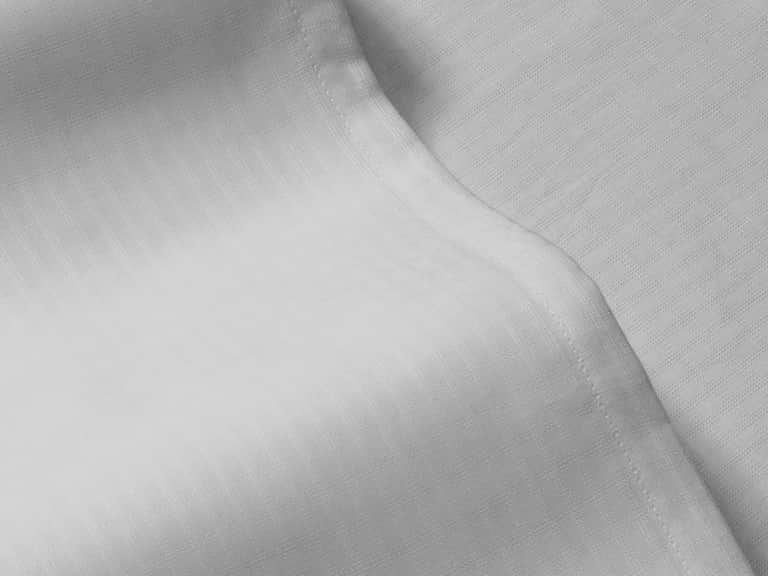
Some fabrics make their case immediately. Cotton sateen arrives smooth and softly lustrous; percale feels crisp and cool. Linen asks for a different kind of attention. Its surface is textured, its drape less uniform, and its first impression can be more substantial than silky. That character is not a flaw to be laundered away. It is part of what linen is.
Naturepedic organic linen sheets are made from flax, a plant fiber spun into yarn and woven into a cloth known for strength, airflow, and moisture management. Those qualities help explain linen’s place in a considered sleep environment: it can feel comfortable in warm weather, remain useful when temperatures shift, and develop a softer hand through ordinary use. The experience is tactile as much as technical—a fabric that changes gradually, rather than one that depends on a glossy finish to announce its quality.
Still, “breathable” is not a promise that any sheet will make every sleeper cool. Temperature depends on the person, the room, the mattress, the duvet and the climate. Linen is best understood as one part of that system. Its fiber and construction influence how the sheet handles air and moisture, while careful laundering helps preserve its strength and distinctive feel.
The fiber begins with flax
Linen is made from the stem of the flax plant. Turning flax into cloth involves separating and preparing its fibers, spinning them into yarn, and weaving that yarn into fabric. The resulting material has a recognizable irregularity: small variations in thickness and surface that give linen its gently nubby appearance. Rather than concealing every variation, linen lets the structure show.
That structure is part of the fabric’s appeal. Flax fibers are known for tensile strength, and linen is often valued for durability when it is well made and cared for appropriately. Strength does not mean indestructibility. Repeated abrasion, harsh treatment, overly hot drying, or care that disregards the maker’s instructions can shorten the life of any textile. But linen’s reputation for lasting use is grounded in a fiber with a robust character, not merely in its rustic look.
The word organic describes a sourcing and production standard, not a different species of linen. For a Naturepedic organic linen sheet, the available product information identifies the fabric as organic flax linen. Its associated linen bedding description specifies GOTS-certified organic flax grown in France and a GOTS-certified production facility in India. Those details apply to that described collection and should not be assumed for every linen textile on the market. Checking a product’s current label and certification information remains the clearest way to understand what a particular item claims.
Why linen feels different from cotton
Linen and cotton can both be comfortable, durable bedding fibers, but they do not behave identically. Cotton often feels familiar from the first night, particularly when it is woven into a smooth sateen or a crisp percale. Linen typically has more visible texture and a less uniform hand. Some sleepers welcome that relaxed, tactile surface; others prefer the smoother feel of cotton. Neither preference is a measure of quality.
The weave matters, too. Fiber content tells part of the story, while construction influences how a sheet feels against the skin, how it drapes and how air moves through it. Linen’s naturally textured yarns and open-feeling fabric can contribute to a sense of airflow. That does not make every linen weave identical: yarn size, fabric weight, finishing and manufacturing choices all affect the result. A useful description should identify the fiber and provide construction or weight details where available, rather than relying on broad claims alone.
The distinction also shapes expectations. A person accustomed to dense, smooth cotton may initially interpret linen’s texture as roughness. For many users, the feel becomes more pliable as the fabric is washed and used. Yet linen does not have to become perfectly slick to be comfortable. Its softened state still tends to retain more visual and tactile character than a highly smooth cotton fabric.
Airflow, moisture, and the feeling of comfort
A bed’s microclimate is shaped by what happens between the sleeper and the room: body heat, humidity, air movement and the layers covering the body. Linen is valued for allowing air to move through the fabric and for absorbing moisture. That can help bedding feel less clammy when a sleeper warms during the night. The practical benefit is not a dramatic cooling effect, but a material that can contribute to a more comfortable surface.
Moisture management is especially relevant for people who wake feeling damp or who sleep in warmer conditions. Linen can absorb water vapor and perspiration, then release moisture as the surrounding conditions allow. How quickly that happens depends on the fabric and the room. A heavy duvet, humid bedroom or poorly ventilated mattress can still influence comfort, even with breathable sheets.
Linen’s adaptability is sometimes described as year-round comfort. That phrase is best read as a description of versatility, not a guarantee that one sheet will feel equally warm or cool in every season. The same linen may feel airy in summer and comfortably substantial when paired with a warmer blanket in winter. The other layers and the sleeper’s own temperature preferences remain decisive.
A softening process, not an overnight transformation
New linen can feel comparatively firm or textured. Washing and use gradually relax the fabric, often making it softer and more supple. This change is one reason linen appeals to people who enjoy bedding that acquires a lived-in ease rather than retaining a newly finished appearance. The progression varies with the textile, its finishing, washing habits and frequency of use.
Softening should not be confused with damage. A sheet that becomes more pliable through reasonable laundering is behaving as many linen textiles do. But a sudden change in texture, fraying at seams, thinning patches or weakened areas may signal wear, abrasion or unsuitable care. The aim is not to accelerate softness at any cost. Aggressive washing, harsh chemicals or excessive heat may produce a temporarily softer impression while compromising the fiber over time.
There is also no requirement to iron linen until every crease disappears. Natural creasing is part of its appearance. Some people prefer a smoother, more formal bed; others like the relaxed finish that comes from letting the fabric settle naturally. A low or moderate ironing temperature, guided by the care label, can help when a neater look is wanted. Leaving a little texture is equally reasonable.
Everyday washing: gentle, consistent, and label-led
The simplest linen care principle is also the most useful: follow the care instructions supplied with the sheets. Recommendations can differ by product, finish and construction. A direction given for a duvet cover, for example, should not automatically be applied to a separate sheet set. When the label is available, it takes priority over general advice.
For many washable linen textiles, a gentle cycle and a mild detergent are sensible starting points, provided the maker’s directions allow them. Avoid packing the washer so tightly that the fabric cannot move freely. Washing linen with items that have zippers, hooks or rough trims can cause snagging, while an overloaded drum may increase creasing and friction. Similar colors are best washed together to reduce the chance of color transfer.
- Check first: Read the sheet’s care label and confirm whether it specifies water temperature, cycle, detergent or drying method.
- Use a measured amount of detergent: More soap is not necessarily better; excess residue can affect how fabric feels.
- Choose a gentle approach: Where permitted, a mild cycle helps limit unnecessary agitation and abrasion.
- Skip bleach unless specifically directed: Bleach and other strong treatments can affect fibers and color.
- Wash with care: Keep linen away from items likely to snag or abrade its surface.
Fabric softener is not a necessary shortcut to comfort. It can leave a coating on textiles and may alter absorbency or surface feel. Linen usually benefits more from time and suitable washing than from a product intended to create instant slickness. If the manufacturer provides a specific recommendation, follow it; otherwise, restraint is a dependable routine.
Drying without taking shortcuts
Drying is where patience can pay off. High heat and prolonged tumbling can place avoidable stress on fibers and may encourage shrinkage or excess wrinkling. If the care label permits machine drying, a low-heat setting is a cautious choice. Remove sheets while they are still slightly damp, when practical, then smooth them by hand before finishing the drying process or placing them on the bed.
Line drying can reduce reliance on a dryer, but it should be done thoughtfully. Shake the fabric out, hang it with enough support to avoid pulling at one edge, and keep it away from prolonged harsh exposure if the care label or color suggests caution. Direct sun can help dry laundry, but intense or extended exposure may affect some dyes. The right approach depends on the finish, color and care guidance.
Linen wrinkles. That is not a maintenance emergency. A quick shake and a tidy fold can reduce deep creases; light ironing or steaming is optional when a smoother finish matters. Avoid using heat beyond the setting recommended for the textile. The goal is a clean, dry sheet with its character intact—not a perfectly flat surface at any cost.
Storage and the long view
When linen is clean and fully dry, store it in a cool, dry place. Dampness left in a folded stack can encourage musty odors and may damage fabric. A breathable shelf or storage bag is generally preferable to sealing sheets away while they retain moisture. Keep them clear of rough edges or hardware that could pull threads when the linen is handled.
Rotating between sets, when more than one is available, spreads use over time. This is not a requirement for good care, but it can reduce the frequency with which any single set is washed and worn. Inspect seams and hems occasionally, and address small issues before they develop into larger tears. Delicate handling during routine changes matters as much as the occasional deep-cleaning effort.
Durability is not just a matter of fiber strength. It is the sum of construction, frequency of use, laundering, storage and the way a household treats its textiles. Linen’s reputation for longevity makes it worth caring for, but responsible expectations matter: no sheet is immune to wear, and a well-used bed will eventually show its history.
What organic certification can—and cannot—tell you
For shoppers and readers concerned about sourcing, certification can offer a more specific point of reference than an unqualified claim of naturalness. GOTS, or the Global Organic Textile Standard, is a textile-processing standard that addresses organic fiber and aspects of processing and supply-chain requirements. Certification is meaningful only when it applies to the relevant product and can be verified through current documentation or labeling.
A certification does not tell you how a sheet will feel, whether its weave suits your climate, or how it will fit a particular mattress. Nor does the word “organic” by itself answer every environmental question about cultivation, processing, transport, durability or end-of-life disposal. Those are related but distinct considerations. Clear product information is most useful when it identifies the certified scope and provides concrete details about fiber, origin and care.
In the case of the Naturepedic linen bedding described in the available collection information, the fabric is specified as 185 grams per square metre, GOTS-certified organic flax linen, with flax grown in France and manufacture in a GOTS-certified facility in India. Such figures and origin details help readers understand the particular fabric described. They should be checked against the current product label before being treated as definitive for a specific purchase or later production run.
Choosing linen with clear expectations
A good linen decision begins with the sleeper, not the thread count. Ask what matters most: a textured surface, an airy feel, moisture management, a relaxed appearance, or a fabric that changes with repeated use. Then check the practical details—fiber content, dimensions, mattress fit, construction, certification and laundering instructions.
It is also useful to consider the bed as a complete system. A breathable sheet cannot fully offset a very warm duvet or a hot bedroom. A fitted sheet that is too shallow may pull free; one with excess fabric may bunch. Pillowcases, mattress protectors and the layers above the sheet all affect the sensation of the bed. Thoughtful bedding is less about a single miracle material than a set of choices that work together.
For anyone unsure about linen’s texture, a small first step—such as a pillowcase or a single sheet, when available—can make the material easier to evaluate before committing to a full set. There is no universal threshold at which linen becomes “soft enough.” Comfort is personal, and the fabric’s distinctive hand is precisely what some sleepers seek and others decide they do not prefer.
The quiet appeal of linen
Linen does not depend on perfection. Its creases, slight irregularities and changing softness give it a presence that is different from the uniform smoothness of many cotton fabrics. The flax fiber brings strength; the weave shapes airflow and drape; daily care determines how well the material holds up. Together, those elements create a textile that feels both practical and personal.
For Naturepedic organic linen sheets, the central promise is not an instant transformation of sleep. It is a natural-fiber surface with a breathable, moisture-managing character that can become more supple over time. That is a modest claim—and a useful one. A comfortable bed is built from choices that suit the person using it, supported by care habits that protect the materials rather than asking them to perform beyond their nature.
Choose linen for its particular feel, not for an expectation that it will behave like silk or cotton. Wash it according to its own instructions, dry it without unnecessary heat, and allow its texture to evolve at its own pace. With those expectations in place, linen’s everyday luxury is easy to understand: less polish, more character, and comfort shaped through use.